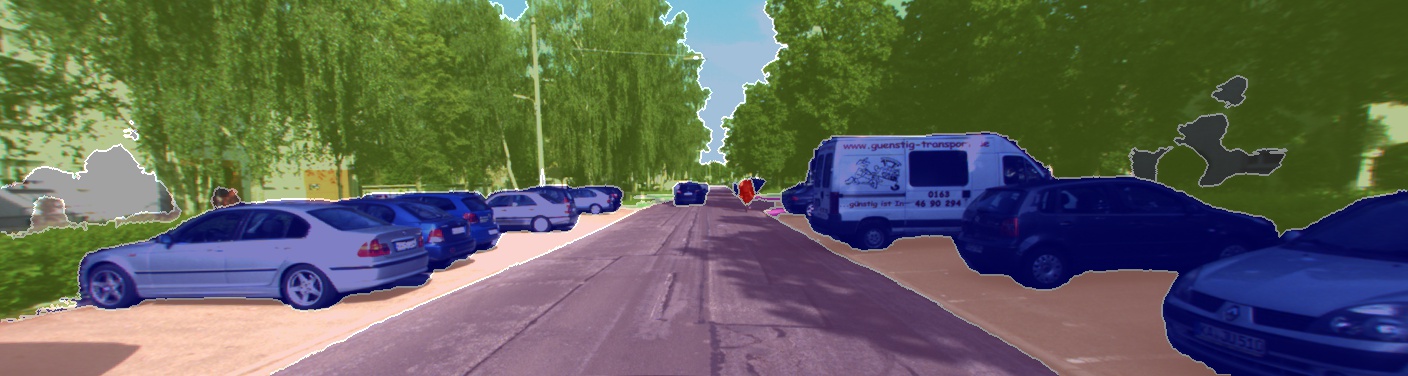
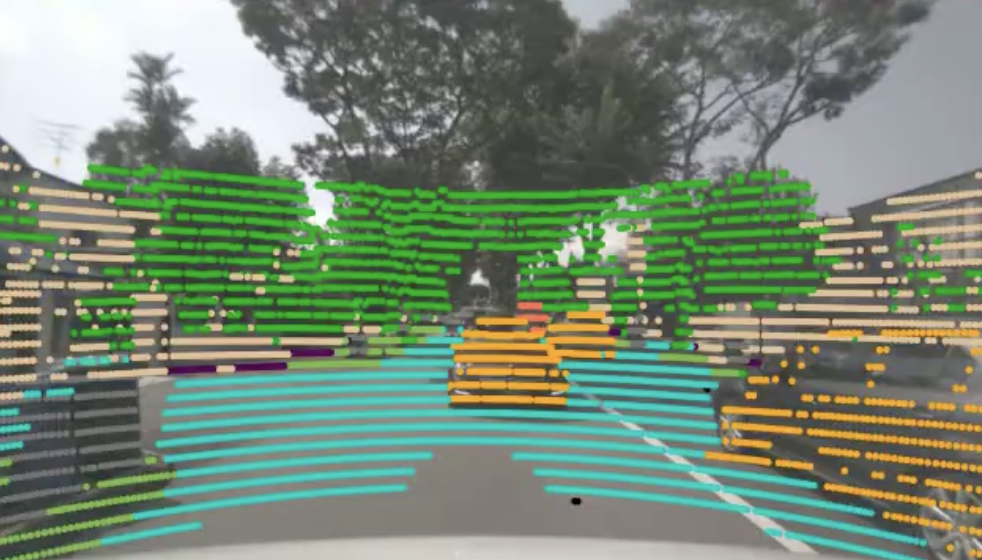
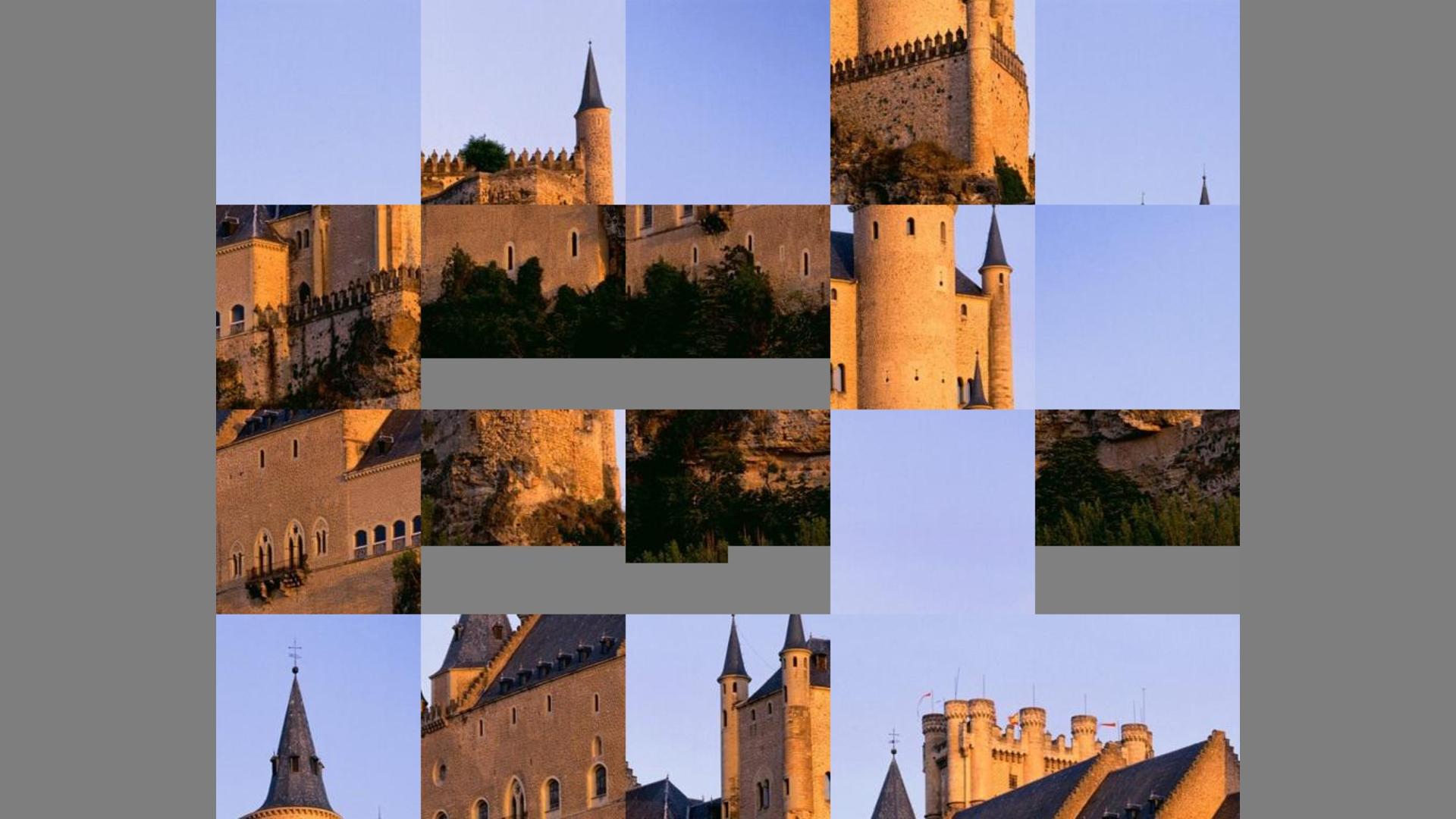
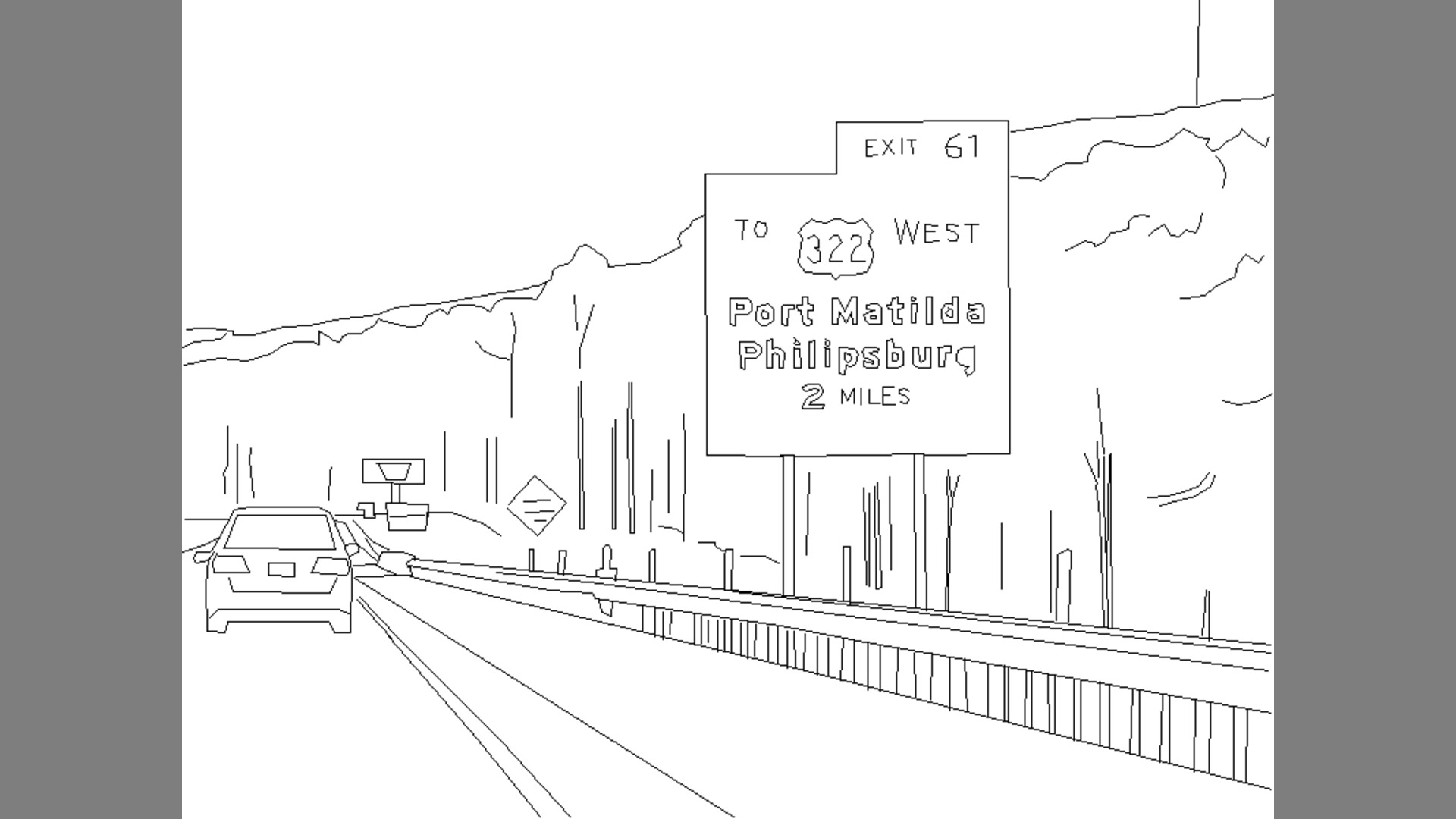
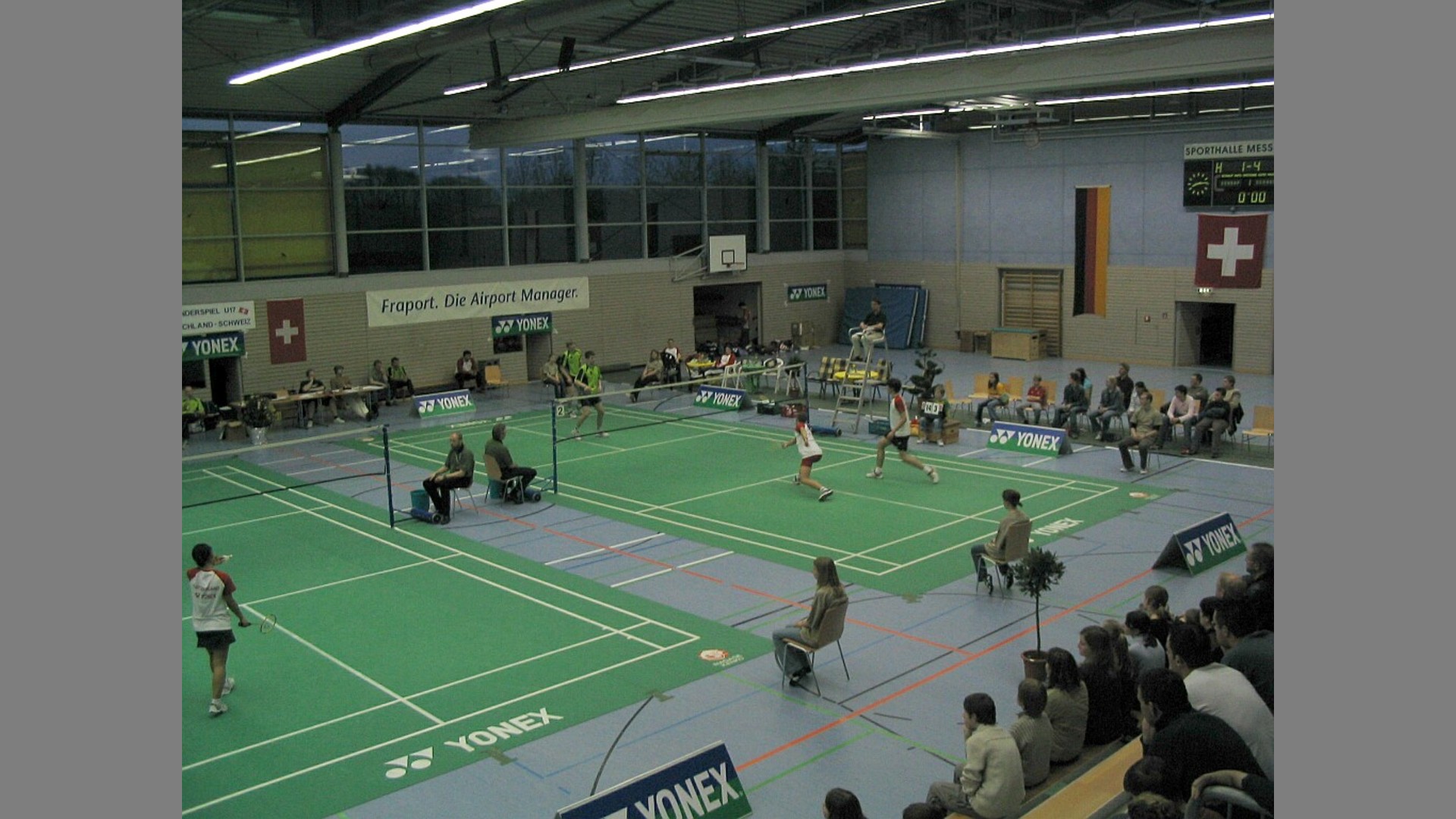
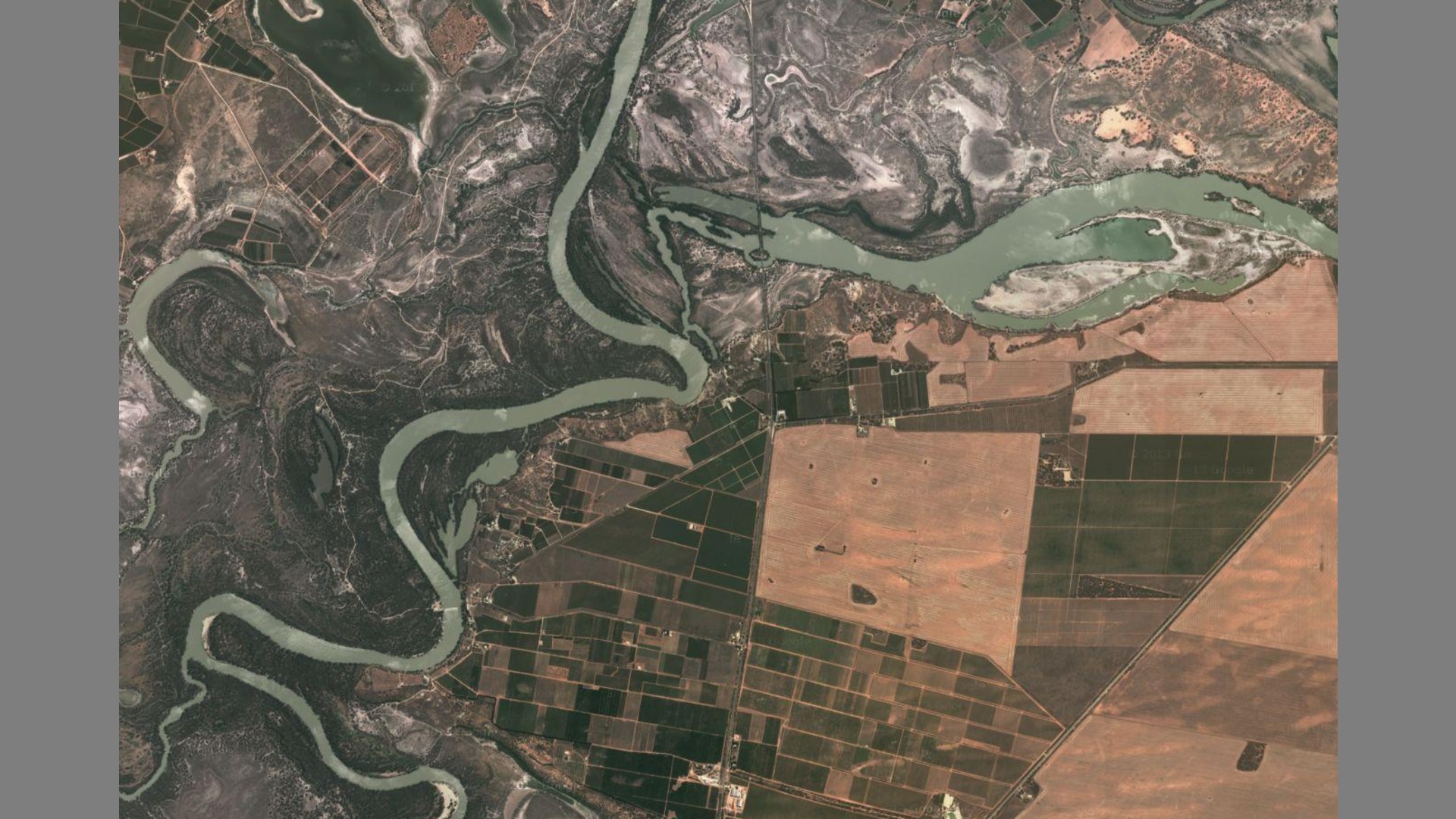
The CAT2000 dataset is a large-scale eye movement dataset containing 4000 images from a variety of categories.
This dataset is intended for use in generating saliency models and behavioral research on visual attention.

@article{DBLP:journals/corr/BorjiI15,
  author       = {Ali Borji and
                  Laurent Itti},
  title        = {{CAT2000:} {A} Large Scale Fixation Dataset for Boosting Saliency
                  Research},
  journal      = {CoRR},
  volume       = {abs/1505.03581},
  year         = {2015},
  url          = {http://arxiv.org/abs/1505.03581}
}




 Verified